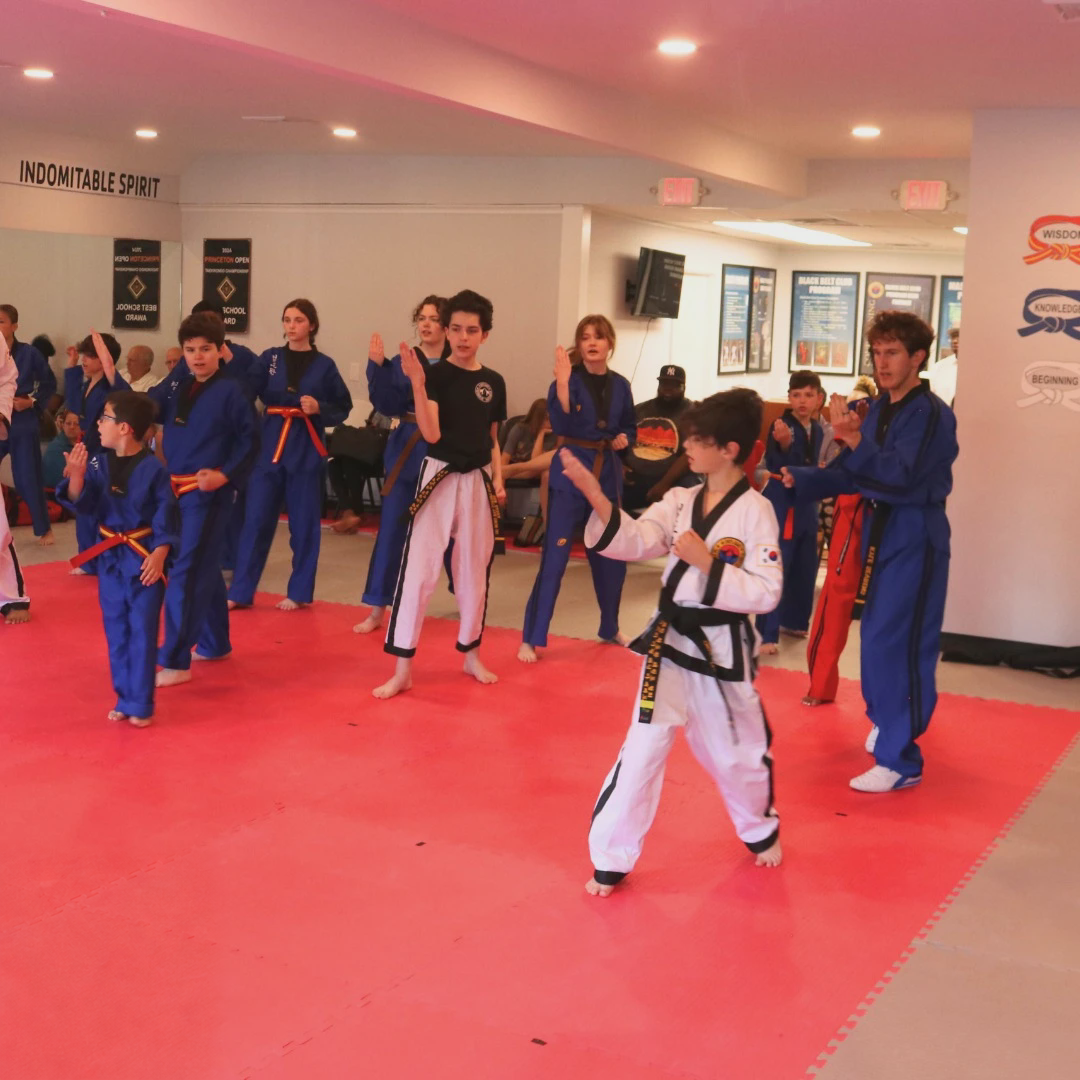
When parents start looking into martial arts, one question comes up almost immediately. Which style is best? Taekwondo, karate, and jiu-jitsu all appear in local searches around Morris Plains and Morristown, and each one has passionate supporters.
The truth is that every style can be a great experience for a child, and every style can be taught poorly. The name of the art matters less than the quality of the teaching and the fit for your child. Still, the styles really do differ, and understanding those differences helps you ask better questions.
This guide offers a plain comparison. We teach taekwondo, so we will be upfront about that. Our goal is to help you choose well, wherever you end up.
A quick overview of each style
Taekwondo
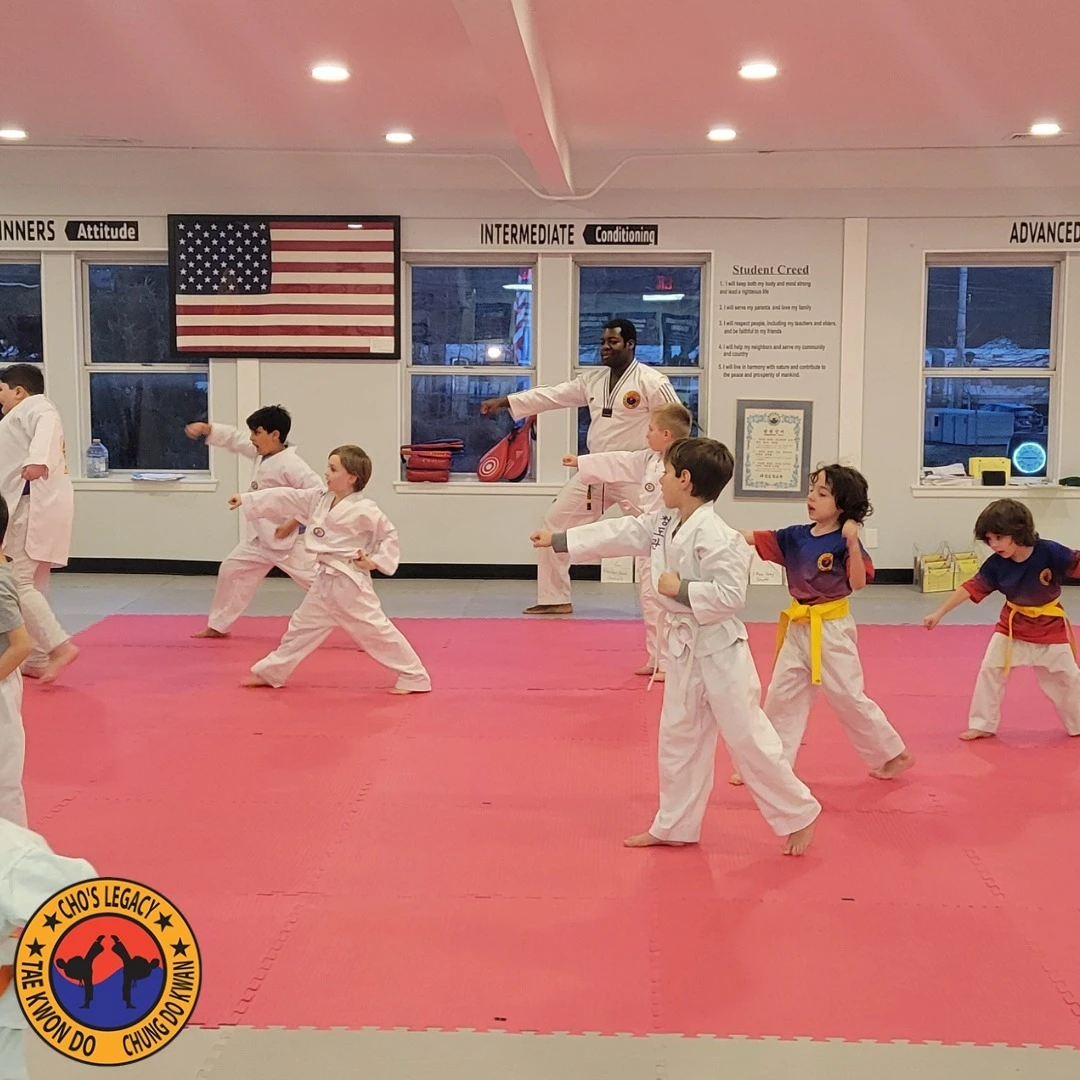
Taekwondo is a Korean martial art known for dynamic kicks, fast footwork, and structured forms. Classes typically include stretching, basic stances, and blocks, kicking drills, forms practice, and target work. Traditional taekwondo also emphasizes courtesy, integrity, perseverance, and self-control.
Karate
Karate developed in Okinawa and Japan. It generally places more emphasis on hand strikes and strong stances, with kicks that tend to stay lower. Karate classes often include kata, which are choreographed forms, along with basics and controlled partner work.
Brazilian jiu-jitsu
Jiu-jitsu is a grappling art. Instead of striking, students learn positions, escapes, and control on the ground. Kids classes often look like a mix of wrestling games and technique drills, with a lot of close partner contact.
How the styles feel for a child
Each style asks something different of a young student. Thinking about your child's personality can make the comparison clearer.
- Taekwondo suits kids who love movement, jumping, and kicking, and who enjoy clear goals like learning a new form
- Karate suits kids who enjoy precise, repeated technique and a strong traditional rhythm
- Jiu-jitsu suits kids who are comfortable with close physical contact and enjoy wrestling-style problem solving
A child who dislikes being held or pinned may find grappling stressful at first. A child who struggles to stand still may love the energy of a kicking drill. None of these are rules, just patterns worth noticing.
What each style tends to build
Focus and listening
All three styles require students to follow directions and pay attention. Taekwondo and karate often use forms, which give children a sequence to memorize and perform. Many parents find this structure helpful for practicing focus.
Confidence
Confidence grows when a child does something difficult and succeeds. In taekwondo, that might be landing a new kick or breaking a board at a promotion. In jiu-jitsu, it might be escaping a position. The format differs, but the feeling of earned success is the same.
Fitness and coordination
Taekwondo is especially strong for flexibility, balance, and leg coordination because of its kicking focus. Jiu-jitsu builds grip strength and body awareness. Karate builds stance strength and crisp upper-body technique.
Character and respect
Respect is not owned by one style. It comes from the culture of the school. At Cho's Legacy TKD, courtesy, integrity, and perseverance are written on the wall, and the goal is for students to practice those values in class, at home, and at school.
Self-protection: a realistic view
Parents sometimes ask which style is best for self-defense. For children, the most valuable self-protection skills are awareness, confidence, a strong voice, and knowing when to walk away and find a trusted adult.
Any reputable school should talk about avoiding conflict first. Physical techniques matter, but no class turns a child into someone who should seek out confrontation. Be cautious of any school that frames martial arts mainly as fighting.
What matters more than the style
If you visit three schools of three different styles, the differences in teaching quality will often be bigger than the differences in the art itself. Here is what deserves most of your attention.
- Age-appropriate classes with a clear plan for each age group
- Instructors who connect with children and correct kindly
- A culture where students support each other
- Clear progress markers so kids can see themselves improving
- A schedule and location your family can actually keep
Our parent's checklist for choosing a school goes deeper into each of these.
Why we teach taekwondo
Master Akil Acevedo, a 6th-degree black belt, has built Cho's Legacy TKD around taekwondo because it gives children so many small, visible wins. A new stretch, a sharper kick, a completed form, and a new belt all give kids proof that practice pays off.
A typical moment in class
Imagine a nine-year-old who could barely lift her knee to waist height on her first day. A few months later, she kicks a target held at shoulder height, and her whole row cheers. She did not suddenly become a different child. She practiced, and someone showed her how far that practice had taken her. Moments like this are the heart of taekwondo for kids.
Programs by age
- Little Dragons for ages 4 to 5, built around short activities and early listening skills
- Basic Juniors Taekwondo for ages 6 to 12, building fundamentals, focus, and confidence
- Teen and Adult Black Belt Club for older students and parents who want to train
How to decide
If you are torn between styles, try them. Most schools offer an introductory experience. Watch your child during and after each one.
- Which class did they talk about on the drive home?
- Where did they seem most comfortable trying new things?
- Which instructors seemed to notice them as an individual?
- Which schedule fits your week?
Your child's excitement is a strong signal. A style they look forward to will always beat a style that looks better on paper.
Side-by-side comparison
If you prefer to see the main differences in one place, here is a simple summary. Keep in mind that individual schools vary, and any style can be adapted for children.
Primary focus
- Taekwondo: kicks, footwork, forms, and dynamic movement
- Karate: hand strikes, strong stances, kata, and controlled basics
- Jiu-jitsu: ground positions, escapes, and grappling control
Type of contact
- Taekwondo: mostly pad and target work, with controlled partner drills
- Karate: basics and kata, with controlled partner drills
- Jiu-jitsu: frequent close partner contact and wrestling-style drills
Progress markers
- Taekwondo: belt ranks, forms, and promotion tests, sometimes board breaking
- Karate: belt ranks, kata, and promotion tests
- Jiu-jitsu: belts and stripes, often earned more slowly
Best fit for
- Taekwondo: energetic kids who enjoy movement and clear, visible goals
- Karate: kids who enjoy repetition, precision, and traditional structure
- Jiu-jitsu: kids comfortable with close contact who like puzzles and wrestling games
Questions to ask any school, whatever the style
Once you have narrowed your options, the same questions apply to every school. Ask them during your visit and pay attention to how they are answered, not just what is said.
- How are kids classes divided by age?
- How do you help a child who is nervous or easily distracted?
- How do students earn new ranks, and how often?
- What does a typical class look like from start to finish?
- Can my child try a few classes before we commit?
A school that answers clearly and invites you to watch is usually a school that is proud of how it teaches. That confidence is a good sign regardless of the style on the sign out front.
Frequently asked questions
Is taekwondo or karate better for kids?
Neither is universally better. Taekwondo emphasizes kicks and dynamic movement, while karate often emphasizes hand techniques and stances. The quality of the school matters more than the style.
Is jiu-jitsu safe for young children?
In a well-supervised class designed for kids, jiu-jitsu can be safe and fun. Because it involves close contact, look for strong supervision and clear partner rules.
Can my child switch styles later?
Yes. Skills like balance, focus, and coordination carry over. Many martial artists train in more than one style over their lifetime.
What is a good age to start taekwondo?
At Cho's Legacy TKD, children can start at age four in Little Dragons. Children ages 6 to 12 join Basic Juniors Taekwondo.
Try taekwondo in Morris Plains
If taekwondo sounds like a fit, come see it in person. Cho's Legacy TKD welcomes families from Morris Plains, Morristown, and nearby towns. Try three classes for $30 with a uniform included, and arrange your introductory appointment with the school. Explore kids classes to get started.
New Student Experience
Ready to See It In Person?
3 classes — $30
Keep Reading
Parenting
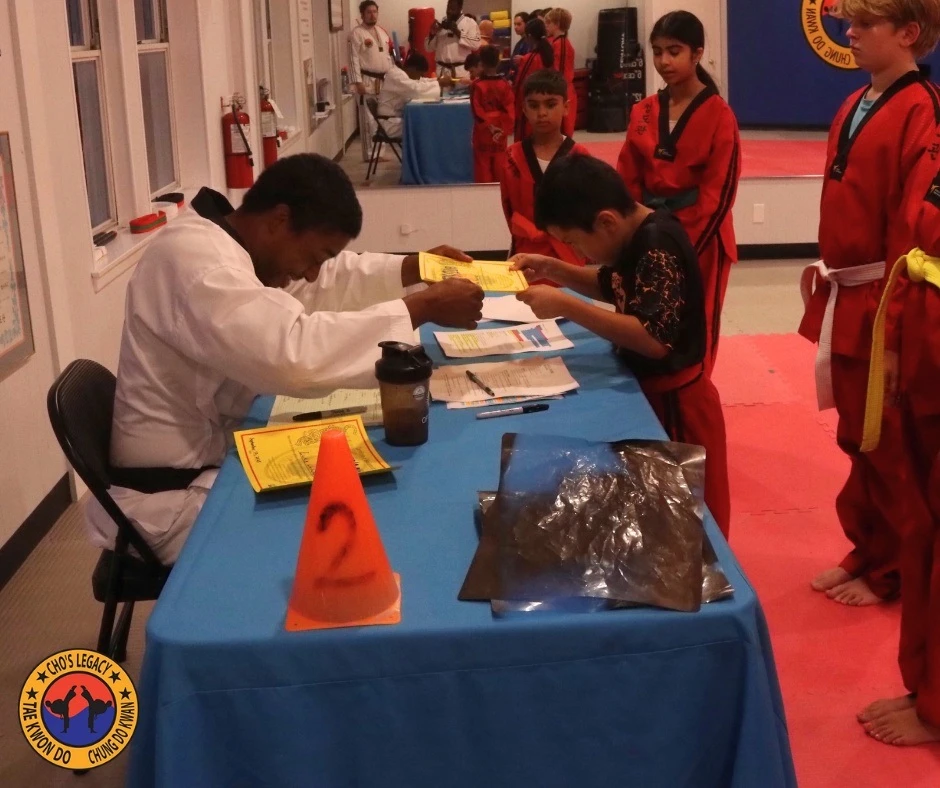
How to Choose a Martial Arts School in Morris County: A Parent's Checklist
Parenting
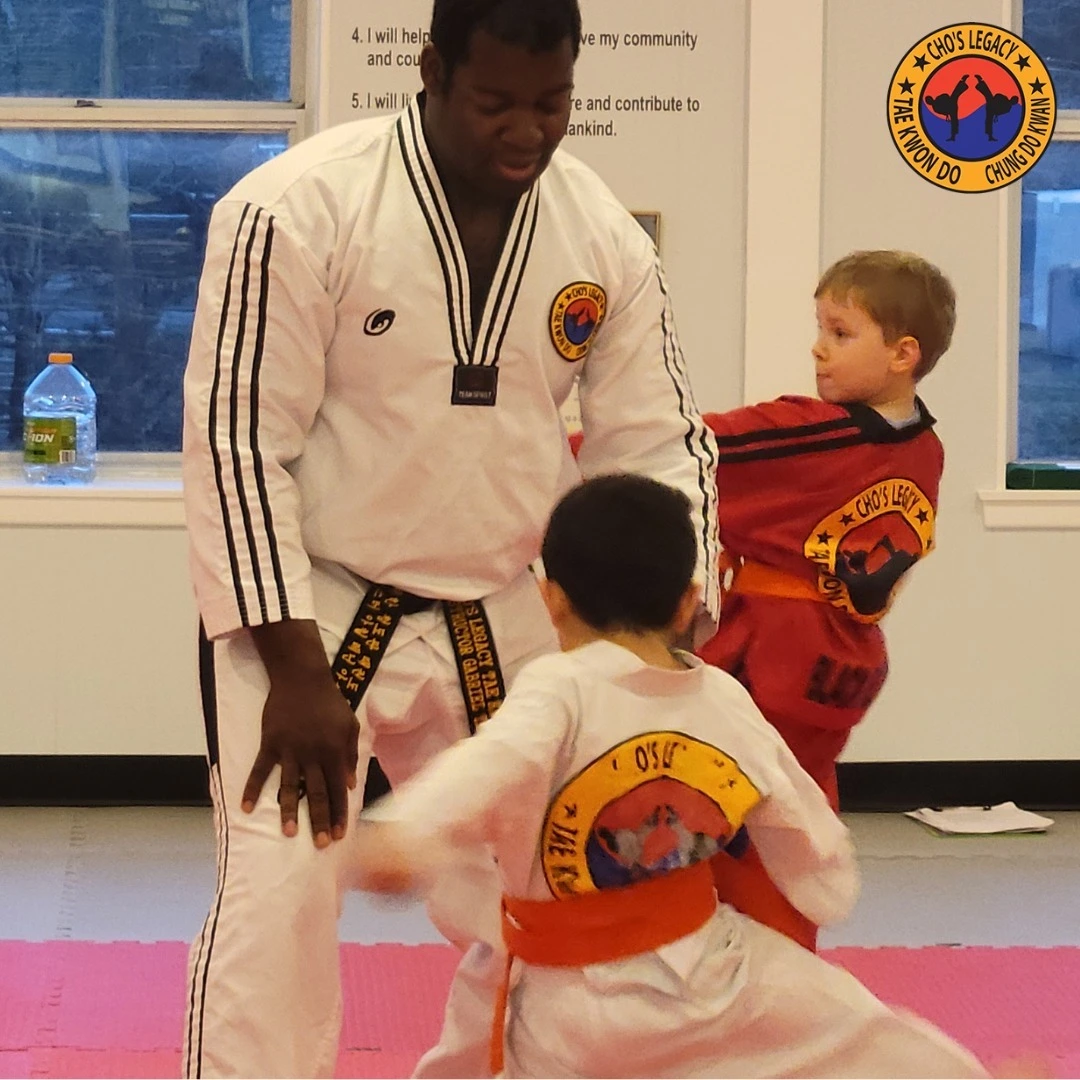
Martial Arts and Bullying: Helping Morris Plains Kids Build Real Confidence
Family
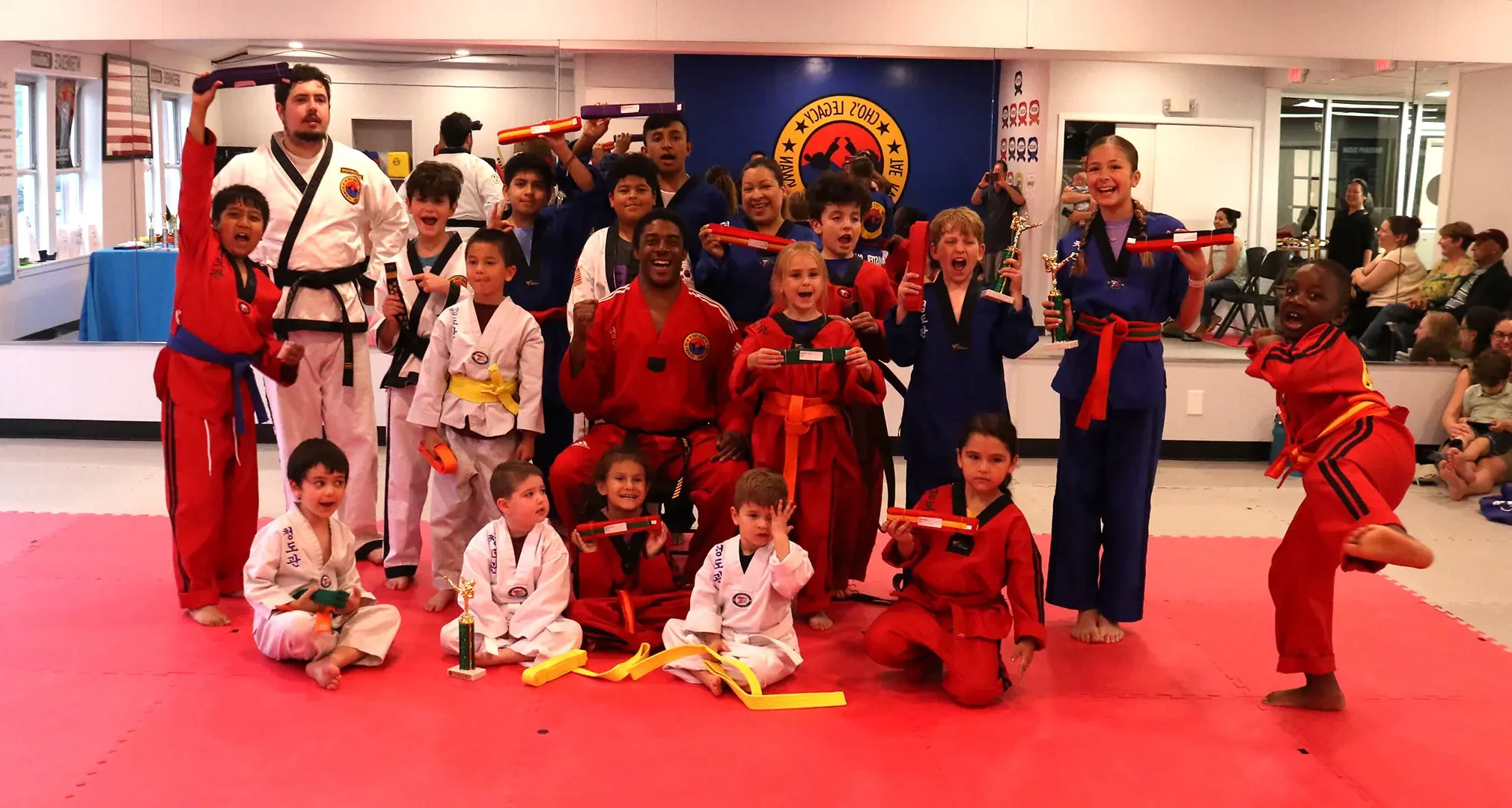
Martial Arts Classes in Morris Plains for the Whole Family
Parenting