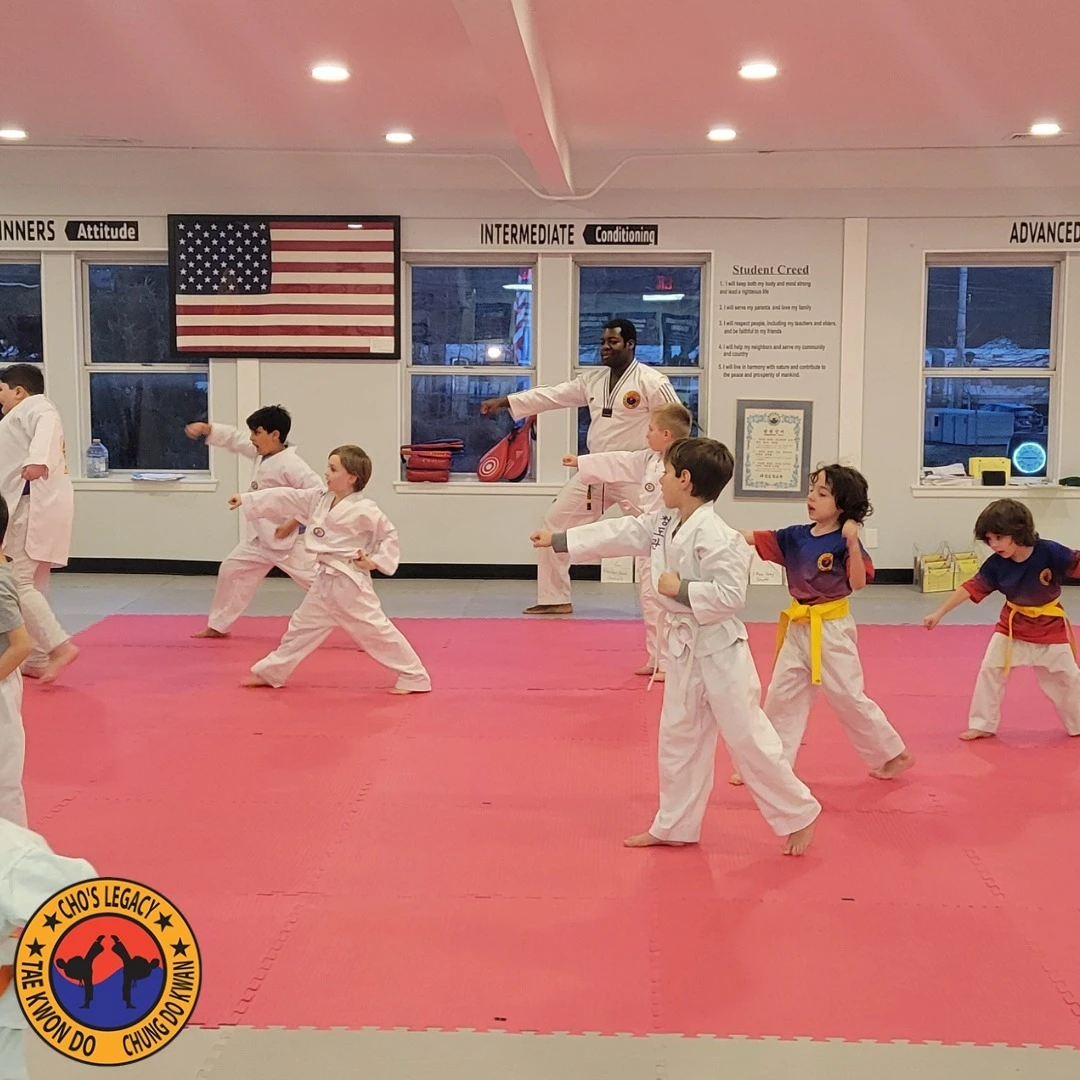
Little Dragons taekwondo in Morris Plains is an option for families whose children are four or five and are ready to explore a new activity. At this age, a first class can bring plenty of questions: Will my child feel comfortable? Can they listen and take part? What if they are shy, energetic, or unsure about joining a group? Those are reasonable things to wonder before choosing a program.
At Cho's Legacy TKD, Little Dragons gives young children an age-specific starting point for taekwondo. Parents can learn what the class environment is like, meet the instructors, and see how their child responds rather than expecting a preschooler to arrive already confident or coordinated. The school is in Morris Plains, serving families in the surrounding Morristown area.
This guide explains what parents can consider when exploring martial arts for ages four and five, how to prepare for a first visit, and what questions are worth asking. It does not promise a particular change or assume every child will respond the same way. A good first step is simply to learn whether the setting feels right for your child and family.
What Little Dragons is, and who it is for
Little Dragons is Cho's Legacy TKD’s taekwondo program for children ages four and five. It provides a younger-child entry point into the school, distinct from its programs for older children. If your child is not yet four, or has already turned six, ask the school which current option best fits their age rather than assuming this group is the right placement.
A preschool-age child may still be learning how to join a group, wait, listen, try an unfamiliar movement, or communicate with a new adult. Children develop at different paces, and one child’s comfort on a first day is not a measure of how well they will do later. Parents can share useful context with the instructor, such as what helps their child feel at ease or whether transitions take time.
Taekwondo is a martial art, but an introductory experience for a young child need not be framed as fighting. Parents can look for an environment where respectful interaction, movement, and attentive teaching are emphasized. Ask what the class looks like in practice, how instructors guide the group, and how they help a child who needs a moment to observe before joining.
What parents may hope their child practices
Families often consider martial arts because they want a child to build confidence, focus, listening, or positive ways to interact with other people. These are understandable goals, but they are not instant outcomes or guarantees. They are areas a family and school can pay attention to over time, alongside the child’s enjoyment and willingness to participate.
For a four- or five-year-old, progress may be subtle and individual. One child might become more willing to try a new activity; another may first become familiar with the room and routine. A parent can notice whether the child is engaging, whether instruction seems age-conscious, and whether the child feels respected. The point is not to compare children or expect a specific timetable.
- Confidence: Does the child get encouragement to try, without pressure to perform perfectly?
- Focus and listening: Are directions presented in a way the child can understand and act on?
- Social interaction: Does the setting give children a chance to practice greeting, taking turns, and being considerate?
- Enjoyment: Does the child leave with a sense of interest, even if the first visit included some hesitation?
At home, families can reinforce small acts of responsibility and listening in everyday ways. School and family roles are complementary: instructors can encourage positive habits, while parents decide what they want to practice at home. None of this requires a child to be outgoing or naturally athletic before beginning.
How teaching and a supportive environment matter
A young child’s experience depends on more than the name of a program. The way instructors communicate, notice individual needs, and introduce expectations can shape whether a first class feels welcoming. Cho’s Legacy TKD describes personalized teaching and a culture where students support one another. Parents can use a visit to see how those ideas appear in the actual room.
Notice whether instructors speak to children with patience and clarity, whether they acknowledge effort, and whether a child has a reasonable way to rejoin after becoming distracted. A caring environment does not mean there are no boundaries. Consistent expectations can help children understand what is happening, especially when they are new to a group.
Imagine a child who is quiet at the start and prefers to watch. A helpful introduction might give that child time to take in the room, let the parent explain what usually helps, and invite participation without making the child the center of attention. Ask the instructors how they approach different temperaments.
The aim is not to decide from one moment whether a child is “good at” taekwondo. Instead, consider whether the adults communicate clearly, whether the child is treated with respect, and whether the program seems like a place your family can return to and learn about gradually.
Preparing a four- or five-year-old for a first class
A little preparation can make the visit easier without turning it into a test. Keep the explanation simple: you are going to visit a taekwondo school, meet the instructor, and see what a class is like. Avoid telling a child they must be brave, behave perfectly, or master anything on the first day. Curiosity is enough.
Before the appointment, parents can think about practical details and share relevant information with the school. If the child needs a little time with new adults, has a specific communication need, or responds well to a particular kind of encouragement, mention it. The purpose is to help the instructor understand the child, not to label them.
- Tell your child where you are going and that it is fine to ask questions.
- Arrive with time for the introductory conversation and any needed transition.
- Choose comfortable clothing suitable for movement unless the school gives different guidance.
- Let the instructor know about concerns that could affect participation.
- Afterward, ask your child what felt interesting or unfamiliar rather than judging the visit by one detail.
Parents do not need to coach a child through every instruction. Watching how the child responds, and giving the instructor room to connect with them, can provide a more useful first impression. If a child is hesitant, that does not automatically mean the program is unsuitable; it is a prompt for a conversation about fit and next steps.
Choosing a class that fits your family
A useful decision is about fit, not just convenience or a broad promise of benefits. Ask how the school introduces children ages four and five to class expectations, how parents can communicate questions, and what happens if a child needs extra time to settle. Learn how the class is organized and what a typical visit involves, without assuming details that have not been confirmed.
Families in Morris Plains and nearby Morristown can also consider travel time, the child’s energy at the scheduled hour, and how an activity works alongside preschool, childcare, or family routines. A sustainable schedule is more valuable than an ambitious plan that is difficult to maintain. Confirm current class times directly with Cho’s Legacy TKD.
If your child is older, explore the school’s kids martial arts option and ask about age placement. Parents who train themselves can also read about adult martial arts, though a child’s enrollment and an adult’s participation are separate decisions. Each family member should get clear information about the relevant program.
It can help to compare schools using the same questions: How are new children welcomed? What does the instructor expect from a beginner? How are parents kept informed? What costs and attendance expectations apply? Clear answers let you weigh the experience without relying on dramatic claims or assuming that every martial arts school works in the same way.
A first visit at Cho’s Legacy TKD
The school’s introductory offer is three classes for $30, with a new uniform included. It is available across programs. Contact the school to arrange the offer and discuss what to bring.
Contact the school to arrange your first visit. Confirm your appointment time, what to bring, and the current schedule rather than relying on an old listing.
Parents can use the introduction to explain what they hope their child gets from the experience and ask practical questions. After class, take time to discuss how the child felt, what the next visit would involve, and whether the family wants to continue. A trial is a chance to gather information, not an obligation to make an immediate long-term decision.
The school’s approach emphasizes personal attention and supportive relationships. During a visit, look for the details that matter to your own family: an instructor who engages respectfully, communication that makes expectations understandable, and an atmosphere in which your child can participate at their own pace while learning to be part of a group.
Frequently asked questions
What age is Little Dragons taekwondo for?
At Cho’s Legacy TKD in Morris Plains, Little Dragons is for children ages four and five. Ask the school about the appropriate option if your child is outside that age range or near an age transition.
Does my four-year-old need prior martial arts experience?
The program is an entry point for young children, and families should ask the school about its current expectations for beginners. You do not need to assume your child must arrive with taekwondo experience. Share any questions about readiness or participation with the instructor before class.
What if my child is shy or has trouble focusing?
Children vary in how quickly they warm up to a new room and group. Tell the instructor what helps your child feel comfortable and observe how the introduction is handled. A single hesitant moment does not define a child’s ability, and no particular result should be expected on a fixed timeline.
How much does the introductory trial cost?
The offer is three classes for $30, including a new uniform. Contact the school to confirm how to arrange the trial and the current class schedule.
When should we arrive for the first visit?
The school will confirm your introductory appointment time. Please arrive at that confirmed time.
Where is Cho’s Legacy TKD located?
The school is at 736 Speedwell Avenue, Suite 4, Morris Plains, New Jersey, and serves families in the surrounding Morristown area. Verify directions and current arrangements with the school before traveling.
Take the next step
If you are considering Little Dragons taekwondo for your four- or five-year-old, begin with a conversation and a visit. Ask about the current schedule, explain what your child may need to feel comfortable, and see how the teaching environment feels to your family. A thoughtful introduction can help you decide whether this is the right activity at this moment.
Cho's Legacy TKD offers three trial classes for $30 with a new uniform included. Contact the school to arrange an appointment, then use the visit to meet the instructor and learn more. Explore Little Dragons taekwondo to find your child’s starting point.
New Student Experience
Ready to See It In Person?
3 classes — $30
Keep Reading
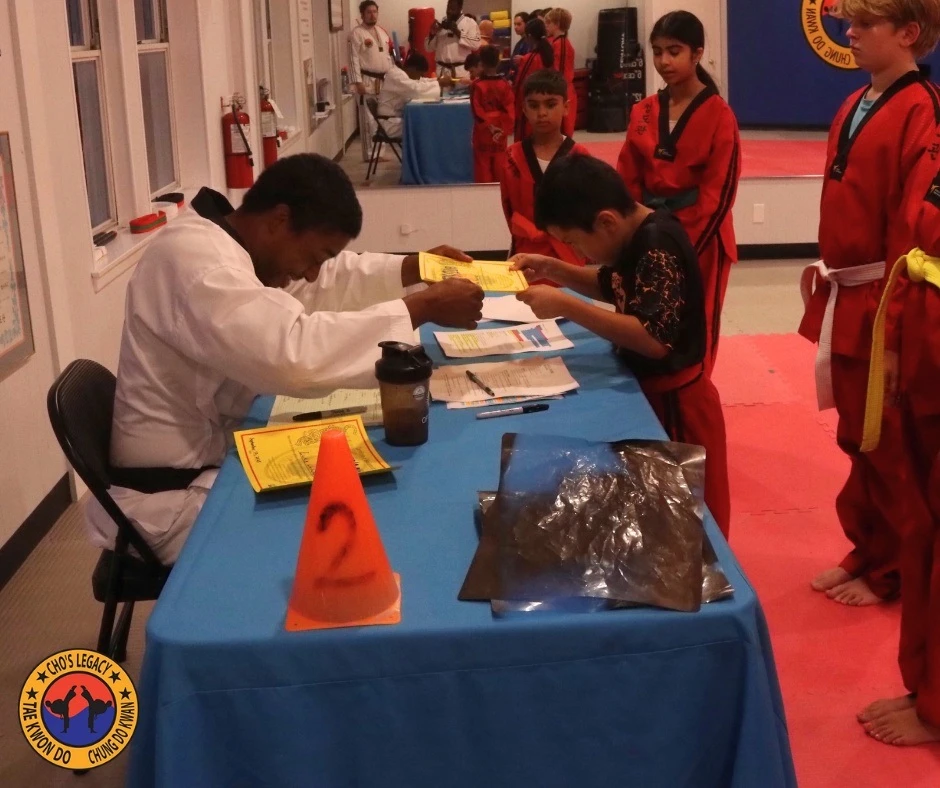
Parenting
How to Choose a Martial Arts School in Morris County: A Parent's Checklist
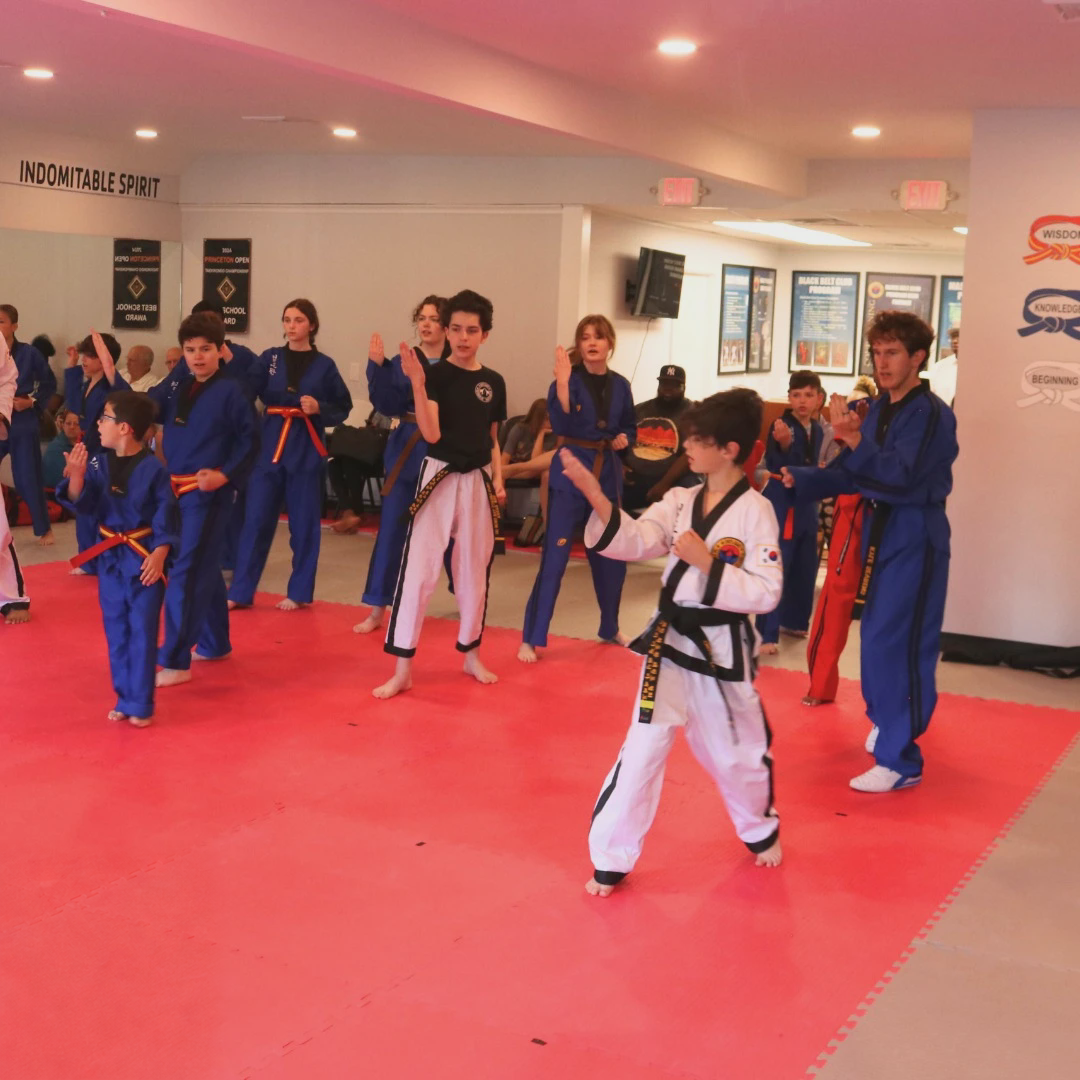
Child Development
Taekwondo vs Karate vs Jiu-Jitsu for Kids: Which Is the Best Fit?
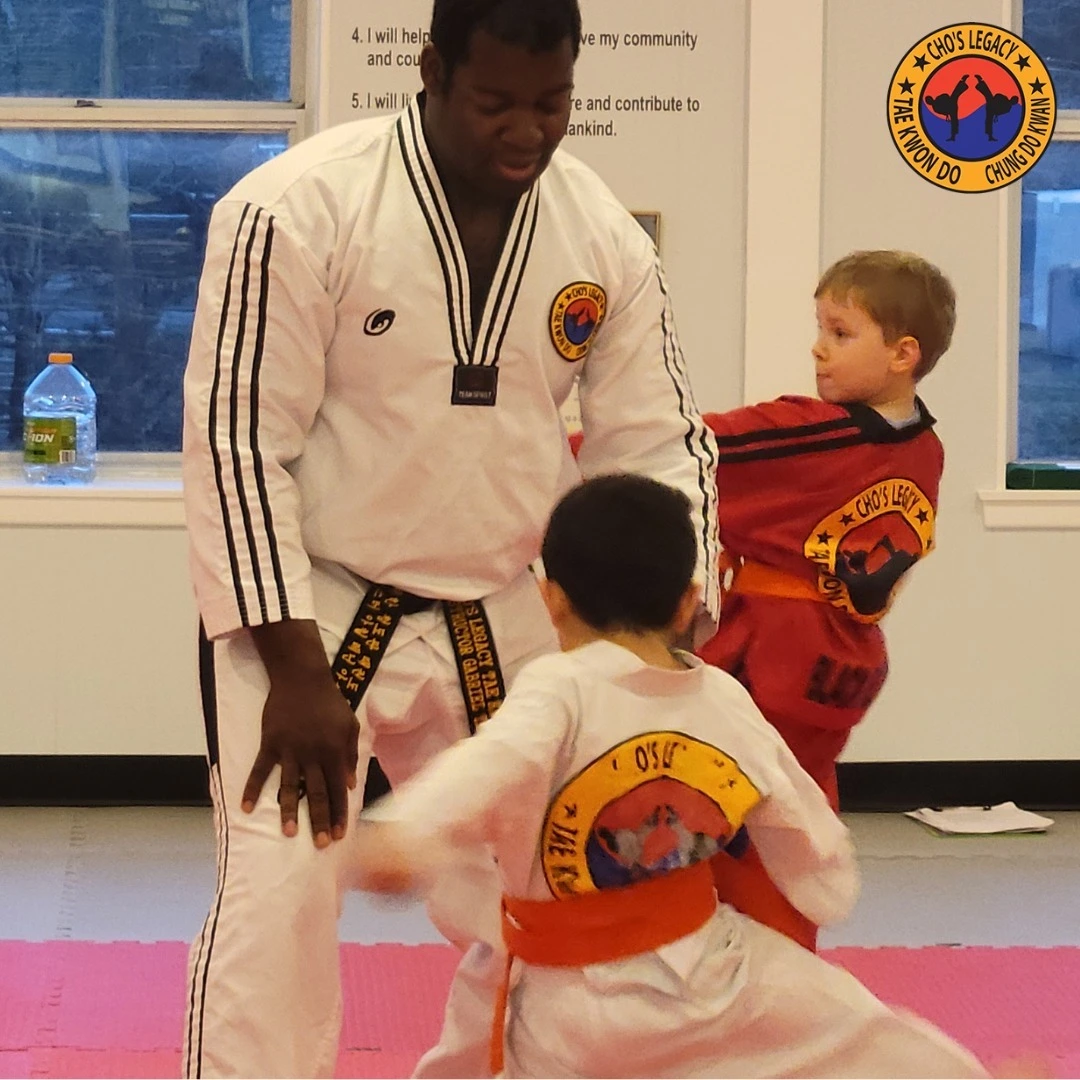
Parenting
Martial Arts and Bullying: Helping Morris Plains Kids Build Real Confidence
Family